By Christopher Ling, CEO, Ericsson Federal Technologies Group
As AI rushes to center stage of internet dominance, it is essential to understand and explore the practical, ethical, and strategic dimensions of deploying AI in austere, and multi-domain environments – especially in contested environments, such as the Indo-Pacific.
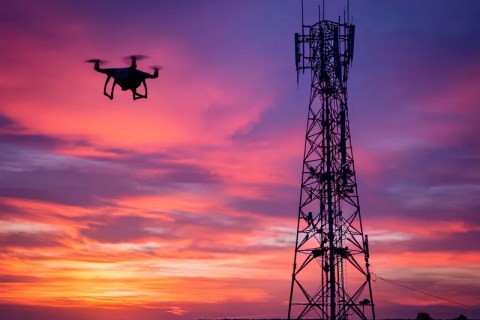
U.S. adversaries in the Pacific theater are quickly integrating AI into drones, autonomous ISR, and multi-domain C2. Their progress is underpinned by their technical lead in deploying 5G and “FutureG” networks around the globe. We believe that any discussion of implementing AI at the tactical and operational edge must also be a discussion about how to quickly and securely implement U.S. defense-grade, private and public high-bandwidth, low-latency 5G networks at scale in theater and integrate these capabilities across allied mobile network operators in-theater. By prioritizing commercial technology and AI, the U.S. can get ahead of its adversaries.
Ericsson Federal can show you how to drive efficiency and value to military operations. We do so in real time with solutions like polymorphic networks, integrated sensing and communications (ISAC) for counter UXV operations, geofenced drone detection, and C2 for offensive swarming drones, to enable advanced threat detection by layering AI capabilities on existing infrastructure to act as a secure force multiplier.
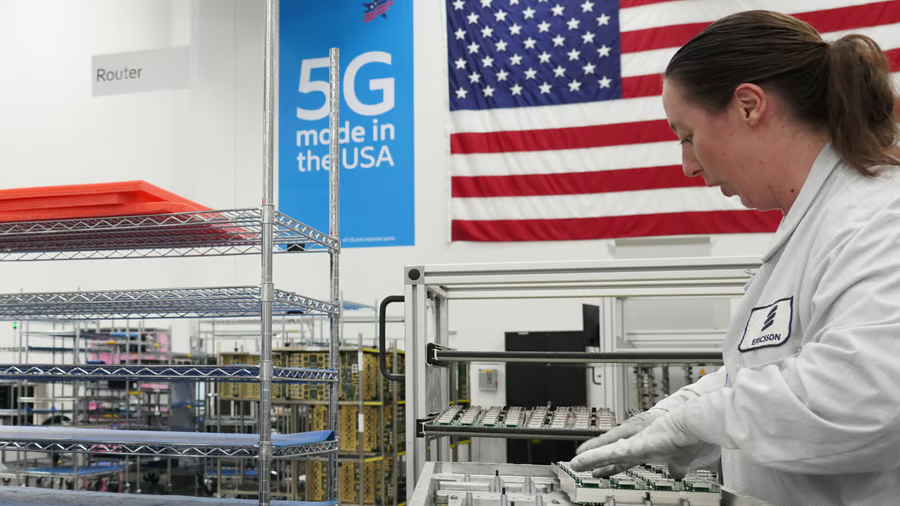
Ultimately, the United States is locked in a network arms race that we cannot afford to lose. When it comes to accelerating the fielding of AI in a way that is mission-relevant, secure, and interoperable, the nation with the strongest, most trusted 5G capabilities will have the advantage.