5G StandaloneBy Nathan Simington, ESQ., Director of Policy & Strategy, Ericsson Federal Technologies Group
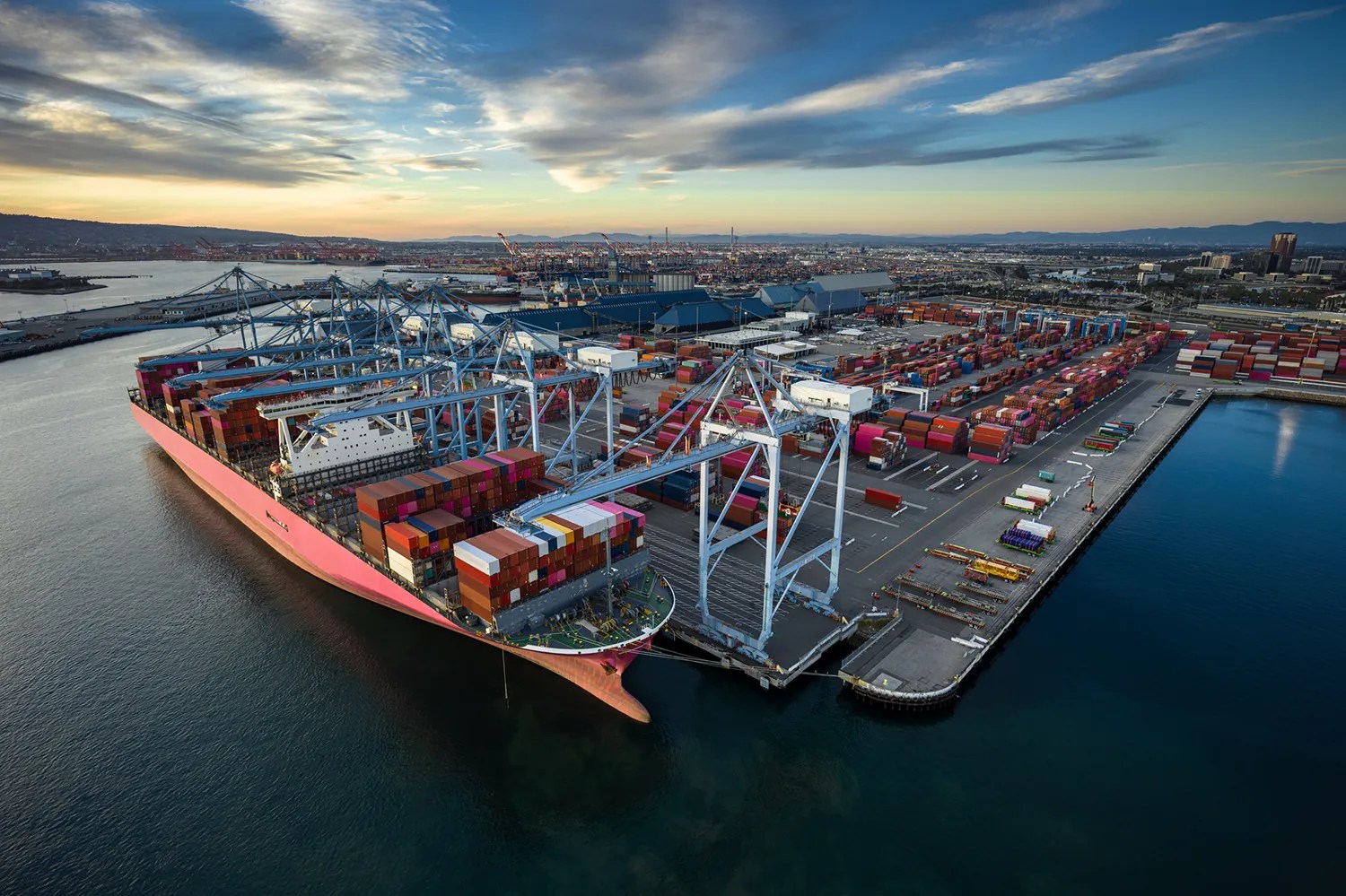
An adversary seeking to delay an American military deployment could start at the commercial port it depends on. Disrupting the systems that load a ship could keep equipment at the dock without anyone going near the vessel. If the terminal’s supplier retains remote access through a maintenance agreement, the means to interfere may already be built into the arrangement.
We understand why military installations need secure communications. We have been slower to apply that understanding to the commercial infrastructure on which military operations depend. Equipment leaving a guarded installation still has to pass through ports, run on commercial networks, and arrive somewhere that can unload it. Securing the installation does not secure that journey.
The software controlling a crane may sound like a procurement detail. If that crane is loading equipment needed overseas, who can access the software becomes a defense question.
The national security problem at the dock
Modern ports generate information an adversary would find useful. Cargo records and loading schedules can reveal what is moving, where it is going, and how quickly it can get there. The systems running the equipment offer another possibility: interfering with the movement itself.
The U.S. Maritime Administration has warned about risks involving Chinese logistics platforms and remotely accessible port equipment. U.S. intelligence and cybersecurity agencies have separately warned that China’s Volt Typhoon campaign has penetrated American critical infrastructure to prepare for possible disruption during a crisis or conflict.
We should take the purpose of that preparation seriously. An adversary does not necessarily need to shut down every port or cause permanent damage. Delaying a shipment, disrupting cargo tracking, or forcing operators to stop work while they investigate a failure could be enough to complicate a deployment. Time lost at the dock cannot always be recovered at sea.
These dependencies also affect deterrence. Our commitments are more credible when we can carry them out despite an adversary’s efforts to interfere. We should be asking whether the infrastructure supporting those commitments will remain available under pressure, and what it would take to keep it operating.
Who has the keys

“The vendor will handle maintenance remotely” is the sort of assurance that can end a procurement discussion when it ought to start another one. What access does the vendor retain? Can it change software or operating settings? Can the customer disconnect it and still run the equipment? Giving your refrigerator manufacturer a house key and your Wi-Fi password would be an unusual maintenance arrangement. At a terminal supporting military logistics, comparable access deserves considerably more scrutiny.
Remote maintenance is useful. It can also give a supplier continuing influence over equipment the customer believes it controls. That access needs to be limited, monitored, and revocable. Weak controls invite criminals as well as state actors, but a hostile government has particular reason to exploit them when the consequences extend beyond the terminal.
Undersea cables present a related problem. Much of the attention goes to the cable on the seabed. The equipment where it comes ashore is easier to overlook, despite its importance to keeping communications running. The Atlantic Council has documented how remotely accessible cable management systems can expose those operations to interference.
A container terminal and a cable landing station perform different jobs. But both connect a country to the outside world, and both can leave essential operations dependent on a supplier whose interests may become hostile to its own.
Compete for the whole terminal
There is a reason countries accept these arrangements. A government trying to develop a port needs a project it can finance and put into service. A supplier offering equipment, software, connectivity, and maintenance together has answered a substantial part of that need.
A warning from Washington does not put a crane into operation.
If we want countries to choose trusted suppliers, we have to compete for the business they are actually buying. Arriving with a parts catalog and expecting the customer to arrange financing, integrate the equipment, and negotiate separate service contracts is a poor answer to a complete offer.
The first purchase also influences many purchases that follow. Once a terminal depends on a supplier’s software, replacement parts, and technicians, switching becomes expensive and disruptive. An attractive initial deal can establish a relationship that lasts decades.
We have commercial technology capable of supporting a competitive alternative. Private 5G can connect industrial equipment within networks built around the operator’s requirements. Trusted equipment and software providers can supply the other capabilities. What the customer needs is someone to bring those pieces together, take responsibility for the result, and support it after installation.
That is a practical task for industry, with government helping make the financing and policy conditions work. It deserves the same seriousness we give to identifying the threat.
Secure the terminal for its working life
Shipping terminals and cable landing stations should be considered together when we assess national security dependencies. Their engineering requirements differ, but we need answers to the same basic questions about ownership, access, and operational control. Infrastructure supporting American deployments and allied operations warrants particular attention.
Those assessments should inform what we help partners buy. Financing a complete project, including integration and continuing support, gives a country a realistic way to choose trusted suppliers. It also lets security requirements shape the arrangement before dependencies become difficult to unwind. The maintenance plan belongs in that discussion from the beginning. Operators need to know who controls credentials and software updates, where replacement parts will come from, and who can restore service if the usual support arrangements fail. They need a workable way to change suppliers without disabling the facility.
Replacing equipment while leaving its operation dependent on an untrusted service provider would be an expensive way to preserve the original problem.
Ericsson Federal’s role
Ericsson Federal was built to bring commercial network technology into government missions. We are a U.S.-based Commercial Networked Solutions Innovator operating under a Special Security Agreement that mitigates foreign ownership. Our agreements with competitors in the space reflect the cooperation among suppliers that this approach requires.
For terminal infrastructure, we can help bring trusted network capabilities together with the work of operators and specialized providers. The objective is a complete commercial offer with clear responsibility for integration and support, including when normal operations are disrupted.
The United States has the technology to compete. We need to organize it into projects our partners can afford and deploy, with maintenance arrangements they can continue to trust. We should settle who controls the terminal before a crisis makes the answer consequential.